DKNet
DKNet.AspCore.Idempotency.RedisStore
Redis-backed reservations and TTL-based response retention for .NET developers using DKNet idempotency.
✨ Why use it?
- Share a key ledger across hosts connected to the same Redis database.
- Reserve keys atomically without relational schema migrations.
- Expire reservations and completed values through Redis TTLs.
🚀 Quick Start
Use a .NET 10 ASP.NET Core project.
dotnet new web -f net10.0 -n PackageDemo
cd PackageDemo
dotnet add package DKNet.AspCore.Idempotency.RedisStore
Replace Program.cs with the example, then run dotnet run.
Set ConnectionStrings__Redis to a reachable Redis connection string. The Redis server must support the atomic SET NX GET operation used by StackExchange.Redis.
using DKNet.AspCore.Idempotency;
using DKNet.AspCore.Idempotency.RedisStore;
var builder = WebApplication.CreateBuilder(args);
var connection = builder.Configuration.GetConnectionString("Redis")
    ?? throw new InvalidOperationException("Set ConnectionStrings__Redis.");
builder.Services.AddIdempotencyWithRedisStore(connection);
var app = builder.Build();
app.MapPost("/orders", () => Results.Ok(new { Accepted = true }))
    .RequiredIdempotentKey();
await app.RunAsync();
POST twice with X-Idempotency-Key: order-1. The first returns 200 and the retry 409. Instances sharing this Redis database and prefix share the ledger.
🏗️ Architecture
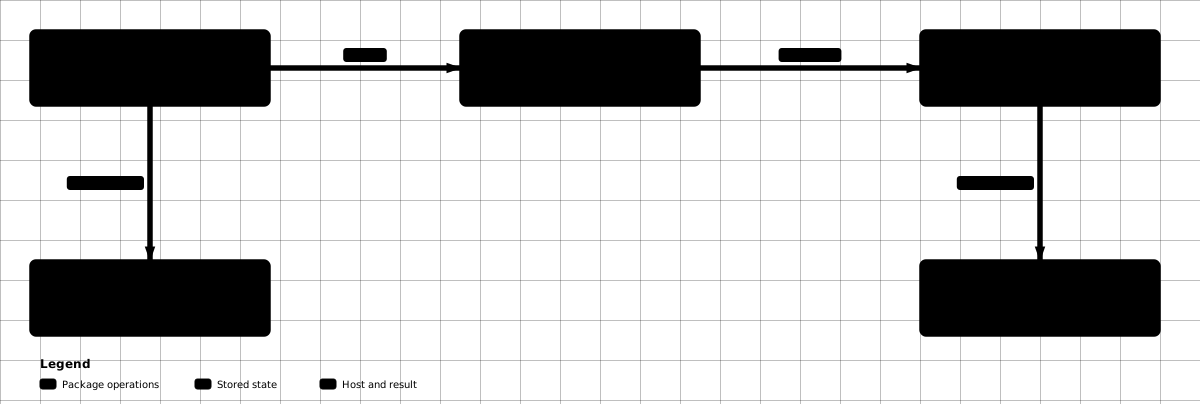
The app supplies reachable Redis infrastructure. Existing multiplexer and distributed-cache registrations are retained independently; the store uses the multiplexer directly. No relational base, context or migration service participates.
🔄 How it works
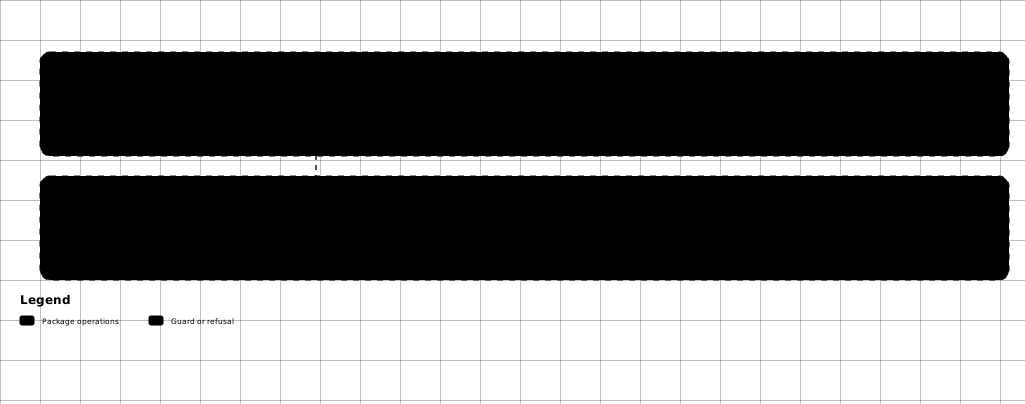
The core filter decides 409 versus replay. Reservations expire separately from completed entries. Redis loss or eviction and handlers exceeding the reservation lifetime can permit another execution.
🧩 Features
- Register Redis connections and select the store — Reuse Redis connections and select the internal store.
- Reserve Redis keys and retain response values — Trace atomic set-and-get reservation, logical expiry, and TTL writes.
🔗 Related packages
- Idempotency — configure declaration, validation and replay.
- MsSqlStore — choose a SQL Server ledger.
- NpgsqlStore — choose PostgreSQL.
- Relational — read the shared SQL implementation, which Redis does not use.