DKNet
Reserve Redis keys and retain response values
Part of DKNet.AspCore.Idempotency.RedisStore. After provider registration, the filter uses the public core contract. This sample constructs the identity you would pass to that contract:
using DKNet.AspCore.Idempotency.Filtering;
var key = new IdempotentKeyInfo
{
    Scope = "user:demo", Method = "POST", Endpoint = "/ORDERS", IdempotentKey = "order-1"
};
Console.WriteLine(key.CompositeKey); // user:demo:POST:/ORDERS:order-1
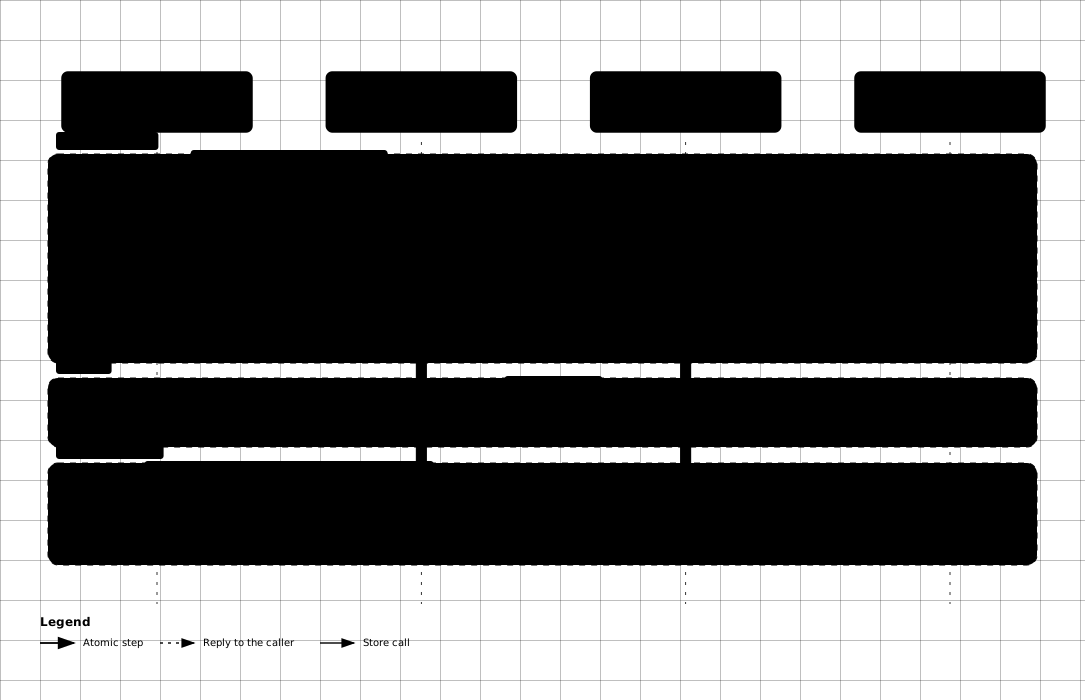
The Redis key is CachePrefix followed directly by the lowercase SHA-256 hex digest of this identity. IsKeyProcessedAsync calls StringSetAndGetAsync with When.NotExists, reservation JSON and the reservation TTL. That is one atomic set-if-absent-and-return-previous operation, not GET followed by SET.
No previous value means this call reserved the key. A returned 102 sentinel means a duplicate still in flight; a completed record supplies the replay data. A logically expired record is deleted and the method recursively retries reservation. Invalid JSON propagates as a lookup error. Completion serializes CachedResponse and overwrites the key with StringSetAsync and the completed TTL.
⚙️ Configuration reference
The store reuses core options; the linked pages own their types and defaults.
| Core setting | Redis use |
|---|---|
CachePrefix |
Prefix before the lowercase SHA-256 digest. |
InFlightReservationTimeout |
TTL of the status-102 reservation. |
Expiration |
TTL of the completed record. |
JsonSerializerOptions |
Serialization of the stored record. |
🧱 Where it fits
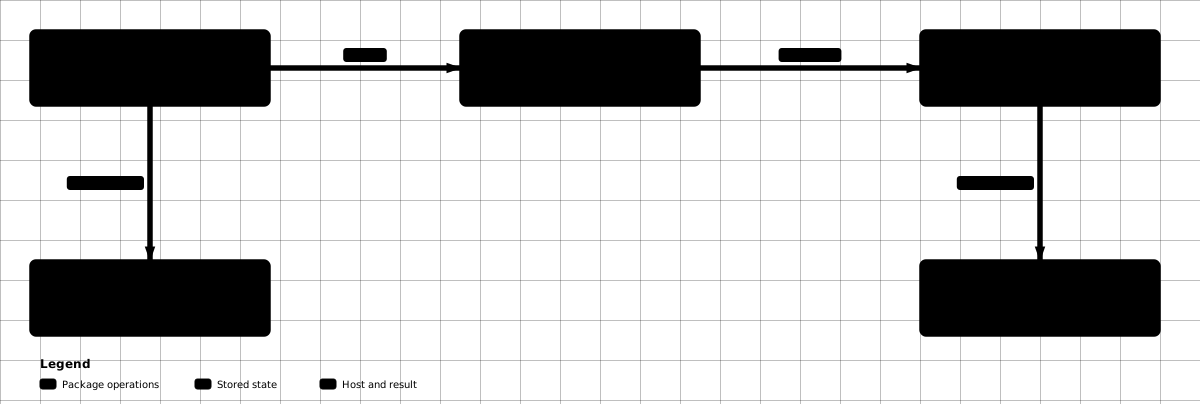
The package overview shows the host registrations and dependencies behind this capability. The core filter and selected store have separate responsibilities.
⚠️ Gotchas & limits
- No table migrations or cleanup job exist. Redis TTL controls physical key expiry; logical
ExpiresAtis checked as well. - Changing the prefix creates another key namespace; it does not rename existing entries.
- Logical-expiry cleanup uses an unconditional delete before retry. Do not assume a compare-and-delete ownership protocol.
- Completion has no reservation-owner token. A handler that outlives the TTL can overlap a later retry.
- Reservation or deserialization failures propagate. The core filter catches failures only on its completion path.