DKNet
DKNet.Fw.Extensions
Reflection, type discovery and small value helpers for .NET developers who need reusable in-process operations.
✨ Why use it?
- Find concrete implementations across assemblies with a filter chain you can branch and reuse.
- Read or update object properties by name without repeating lookup and conversion code.
- Build enum labels and inspect registrations with helpers that expose their edge cases.
🚀 Quick Start
Use a .NET 10 console project. Install the package, then replace Program.cs with the example.
dotnet new console -f net10.0 -n CoreDemo
cd CoreDemo
dotnet add package DKNet.Fw.Extensions
using System;
using System.Linq;
using DKNet.Fw.Extensions.TypeExtractors;

var types = typeof(Worker).Assembly.Extract()
    .Classes().NotAbstract().IsInstanceOf<IWorker>().ToList();
Console.WriteLine(types.Contains(typeof(Worker))); // True

public interface IWorker { }
public sealed class Worker : IWorker { }
Run with dotnet run.
🏗️ Architecture
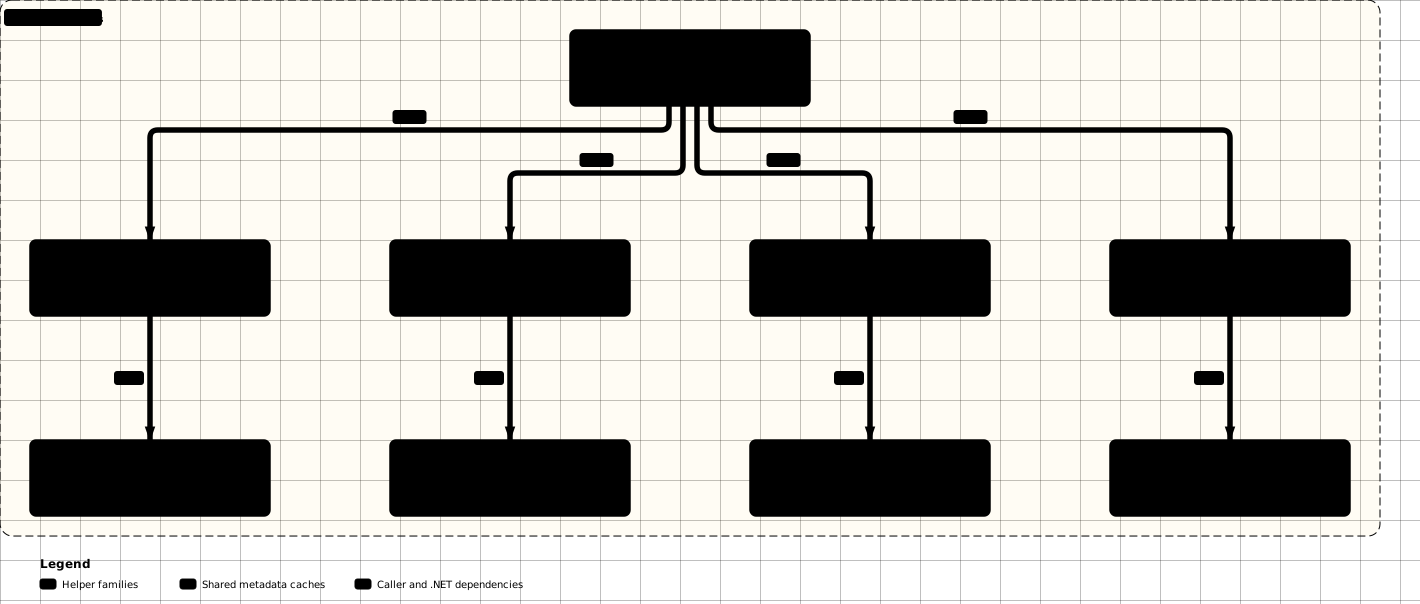
All helpers run synchronously in the caller’s process. Assembly type arrays and property metadata are shared through static concurrent dictionaries; query predicates and object values remain specific to each call or extractor. The project references DI abstractions and component-model annotations; no service registration or background worker is required.
🔄 How it works
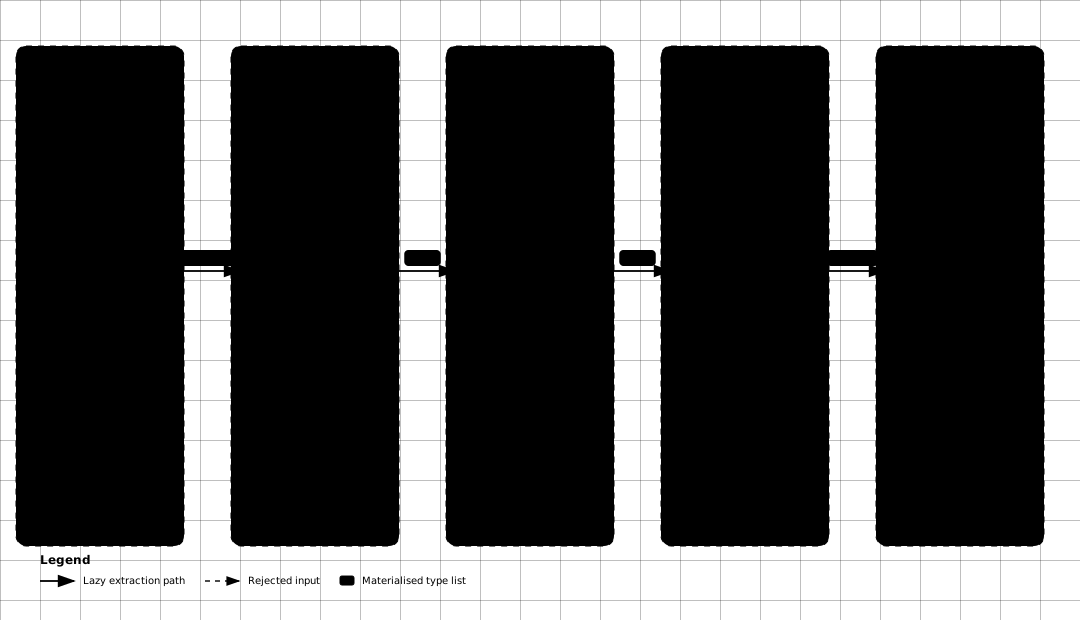
Extract rejects a null or empty assembly array and removes duplicates. Filters build independent predicate chains; enumeration loads or reuses cached assembly types, then evaluates those predicates in order. Type loading and predicate exceptions propagate to the caller.
🧩 Features
- Find types in loaded assemblies — Find implementations and branch a reusable query without changing its source.
- Read and update properties by name — Read nested values and convert input before writing a property.
- Inspect nullable and generic type shapes — Classify runtime types, including nullable values and open generic relationships.
- Convert numeric values into enums — Turn boxed numbers into enums while handling conversion failures.
- Read enum display metadata — Build display labels and descriptions from enum field metadata.
- Check attributes on types and properties — Check metadata presence with null-safe reflection inputs.
- Extract and inspect numeric-looking text — Retain numeric-looking characters and understand the limits of heuristic checks.
- Remove control characters from log text — Remove embedded controls and trim text before logging.
- Find calendar quarters and month ends — Find the quarter or month end while preserving the input time.
- Append items to an ICollection — Append items when the destination exposes only a collection interface.
- Inspect service registrations before adding duplicates — Choose a contract guard or an exact implementation guard.
🔗 Related packages
- DKNet.RandomCreator — reach for it when you need random strings or character buffers.
- DKNet.EfCore.Extensions — reach for it when assembly discovery should configure an EF Core model.
- DKNet.Svc.Transformation — reach for it when values must be resolved into a text template.