DKNet
DKNet.EfCore.DataAuthorization
Filter owned rows and stamp ownership for .NET developers building tenant-aware EF Core applications.
✨ Why use it?
- Apply ownership checks to queries without repeating a Where clause.
- Deny owned-row reads when the accessible-key list is empty.
- Fill a new row’s blank owner and revert inaccessible ownership changes before saving.
🚀 Quick Start
Use a .NET 10 console project. Install the packages, then replace Program.cs with the example.
dotnet new console -f net10.0 -n EfCoreDemo
cd EfCoreDemo
dotnet add package DKNet.EfCore.DataAuthorization
dotnet add package Microsoft.EntityFrameworkCore.Sqlite --version 10.0.12
using DKNet.EfCore.DataAuthorization;
using DKNet.EfCore.Hooks;
using Microsoft.EntityFrameworkCore;
using Microsoft.Extensions.DependencyInjection;

using var connection = new Microsoft.Data.Sqlite.SqliteConnection("Data Source=:memory:");
connection.Open();
var services = new ServiceCollection();
services.AddLogging();
services.AddDataOwnerProvider<DemoDb, DemoOwner>();
services.AddDbContextWithHook<DemoDb>(o =>
    o.UseSqlite(connection).UseAutoConfigModel<DemoDb>());
using var provider = services.BuildServiceProvider();
using var scope = provider.CreateScope();
await using var db = scope.ServiceProvider.GetRequiredService<DemoDb>();
await db.Database.EnsureCreatedAsync();
db.Add(new Invoice { Name = "Coffee" });
await db.SaveChangesAsync();
db.ChangeTracker.Clear();
var invoice = await db.Invoices.SingleAsync();
Console.WriteLine(invoice.OwnedBy); // tenant-a

public sealed class DemoOwner : IDataOwnerProvider
{
    public string? GetOwnershipKey() => "tenant-a";
}
public sealed class DemoDb(DbContextOptions<DemoDb> options, IDataOwnerProvider owner)
    : DbContext(options), IDataOwnerDbContext
{
    public DbSet<Invoice> Invoices => Set<Invoice>();
    public IEnumerable<string> AccessibleKeys => owner.GetAccessibleKeys();
}
public sealed class Invoice : IOwnedBy
{
    public int Id { get; set; }
    public string Name { get; set; } = "";
    public string OwnedBy { get; private set; } = "";
    public void AssignOwner(string key) => OwnedBy = key;
}
Run with dotnet run.
🏗️ Architecture
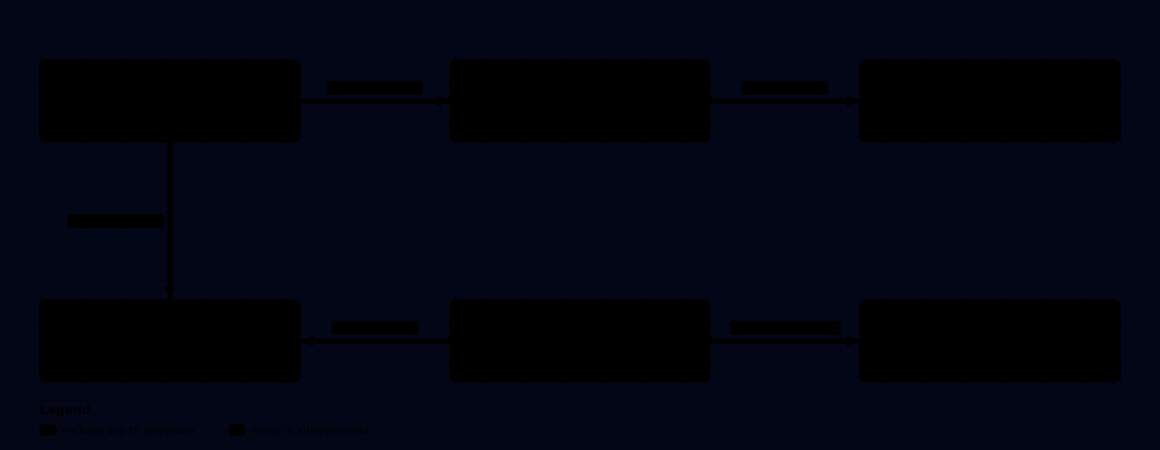
The ownership provider is scoped and unkeyed; the first registration wins. The global model-builder registration is process-wide, while the hook is keyed to a context type. No separate service or database policy is installed.
🔄 How it works

Both model configuration and hook wiring are required. Query access comes from IDataOwnerDbContext; write stamping and reassignment checks read IDataOwnerProvider. Keep those sources consistent.
🧩 Features
- Filter owned rows — Wire the global filter and explicit unrestricted access.
- Stamp and guard ownership — Set owners and compose tenant and user audit identity.
🔗 Related packages
- DKNet.EfCore.Extensions — use it for model configuration and custom global filters.
- DKNet.EfCore.Hooks — use it for the async save pipeline.
- DKNet.EfCore.AuditLogs — use it for signed-in user attribution and a change trail.
- DKNet.EfCore.Specifications — use it for reusable queries that preserve this ownership filter.